Build or buy?
Should you build or buy your next outdoor project? Compare the finished result, the complete cost and the work involved before choosing. A cheap set of materials is not the same thing as an installed, finished enclosure, fence or chair.
DIY can cost less when you already have suitable tools, can buy materials efficiently and are building a design that fits your skills. Buying can be better value for a standard product made in volume, particularly if a one-off build requires new tools. Hiring help makes sense when the difficult part is the site, installation or structural work. Compare all three on the same size, specification and finished condition.
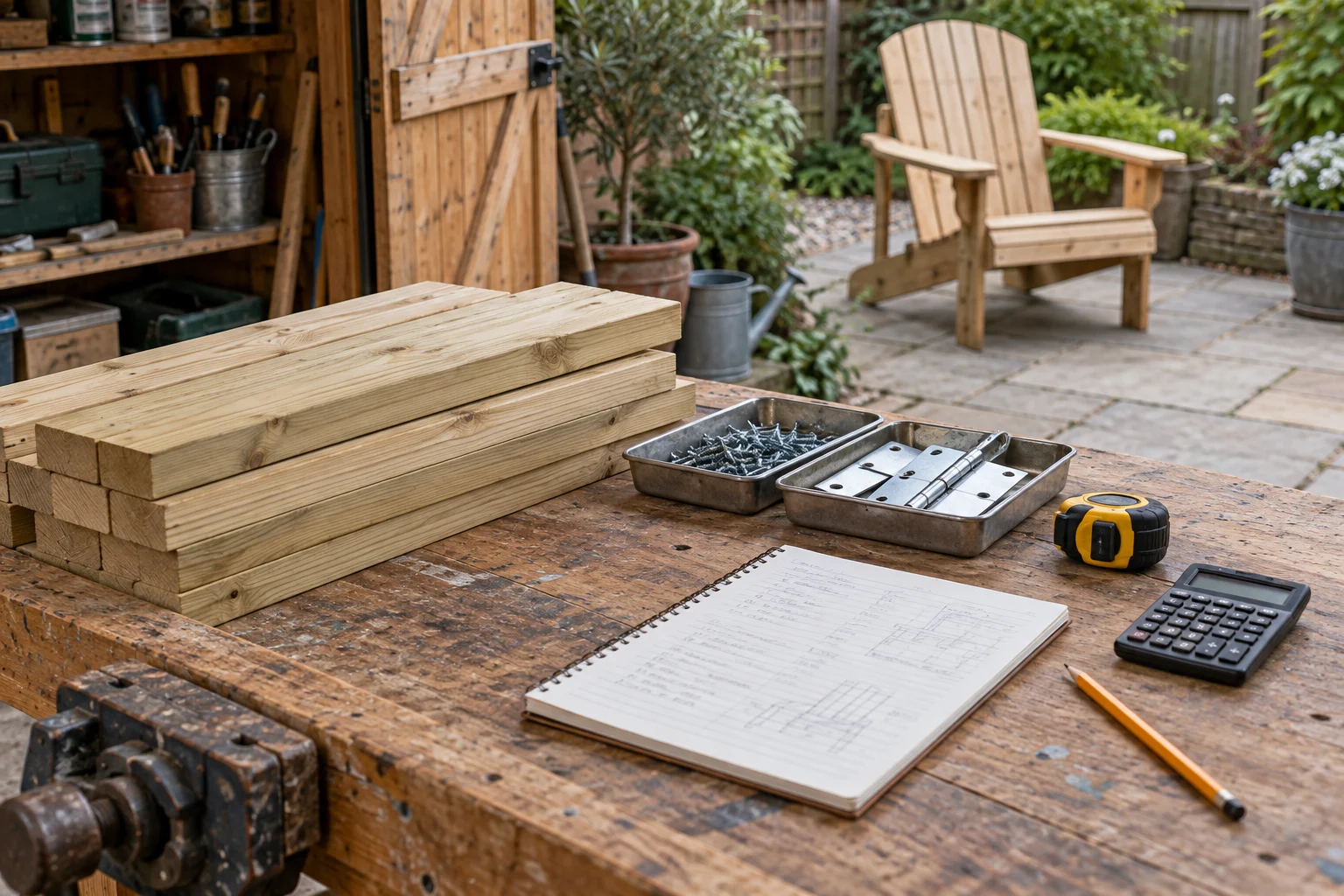
Build, buy or hire: where each option makes sense
| Your situation | Start by considering | Check before deciding |
|---|---|---|
| An awkward space or unusual layout | Building from suitable plans | Whether the changes affect the structure, doors or material list |
| A standard size and a firm deadline | A ready-made product or kit | Stock, delivery, assembly and actual usable dimensions |
| A long fence run or difficult ground | An installed quote | Site preparation, access, disposal and exactly what the quote covers |
| You want to learn and will build again | A manageable DIY project | Space, tools, safe working methods and tolerance for rework |
| You like the design but cannot do every stage | A mixed approach | Who measures, supplies materials and takes responsibility for each stage |
Custom fit is often the strongest reason to build. A bin enclosure can look right in a listing but leave too little room to wheel your bins out. A chair can suit the garden visually but be the wrong size for its intended user. Start with the job the project must do, then compare ways to achieve it.
Keep preferences separate from requirements. A particular colour is usually a preference; access to a drain, a clear walking route or enough room to open a bin lid is a requirement. Reject options that fail the requirements before comparing prices.
Compare the complete cost, not the headline price
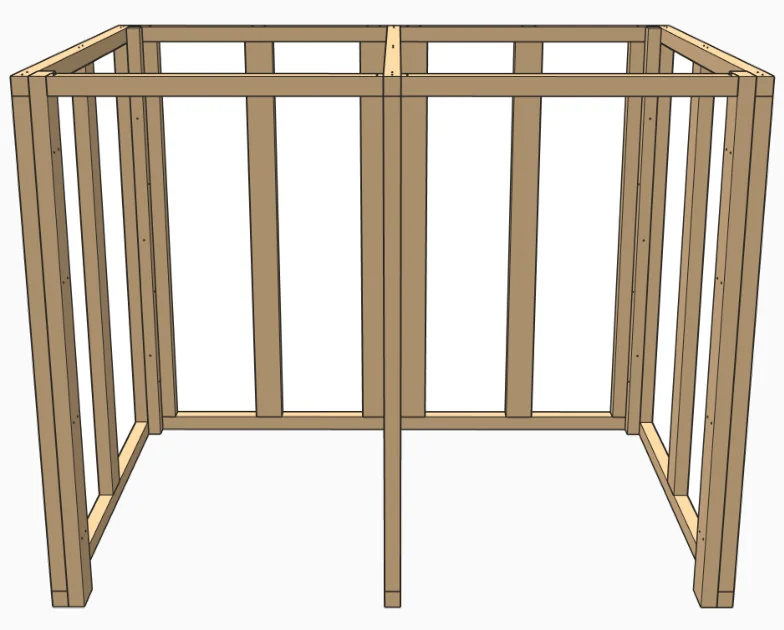
Write one specification for all the options: dimensions, material, hardware, finish, site preparation and delivery location. For timber, distinguish nominal sizes from actual finished sizes and compare equivalent grades. A thinner, unfinished product with light hardware is not a like-for-like alternative to a heavier finished build.
| Cost item | DIY | Ready-made or installed |
|---|---|---|
| Main structure | Timber, sheet goods, roofing or mesh | Product or kit price and included components |
| Hardware | Screws, hinges, latches, brackets and anchors | Check inclusions and any required upgrades |
| Finish | Coating, preparation and application supplies | Check whether it arrives unfinished, treated, primed or fully coated |
| Site work | Base preparation, drainage and removal of old materials | Ask whether these are included in the quote |
| Getting it there | Delivery charges or material collection | Delivery, access restrictions and unloading |
| Tools and consumables | Purchases, hire, blades, abrasives and suitable protective equipment | Assembly tools or paid assembly where needed |
| Your time | Planning, shopping, building, finishing and cleanup | Ordering, receiving, assembly and any preparation you still do |
Price the cutting list against lengths you can actually buy. Adding up the length of finished parts can underestimate purchases because offcuts are not always reusable. Check pack quantities for fasteners and coatings too: needing a small amount may still mean buying a whole box or tin.
Keep a separate allowance for things you have not resolved, such as damaged paving beneath an old enclosure. A contingency is a planning allowance, not proof that the budget is complete. For a fair comparison, apply the same assumptions to every option.
A worked example: cash savings versus your time
The following dollar amounts are illustrative inputs, not current prices or a quote for a Firesided project. Replace them with local prices for your specification. The arithmetic works in any currency if you use it consistently.
| Item | Illustrative DIY budget |
|---|---|
| Plans | $20 |
| Timber | $180 |
| Hardware | $55 |
| Finish and consumables | $45 |
| Delivery | $30 |
| Additional tool hire | $40 |
| Total cash cost | $370 |
Suppose an equivalent ready-made option costs $620 delivered and needs no additional assembly. If site preparation is identical for both options, the initial cash difference is $620 − $370 = $250. Any shared base cost still belongs in your overall budget, even though it cancels out in this comparison.
If DIY takes 12 more active hours than buying, that $250 difference equals about $20.83 per additional hour. This is a decision aid: decide whether the saving, learning and enjoyment justify those hours for you. If you value that time at $25 an hour, the DIY comparison becomes $370 + $300 = $670. If you would happily spend that time building as a hobby, the cash saving may matter more.
Buying a tool changes the calculation again. Charge the full purchase against this job if you want to know the cash needed today. You may spread its cost across later projects when thinking about long-term value, but only if those projects are realistic. Do not count hypothetical resale proceeds as money already saved.
Use the double trash can enclosure, outdoor lounge chair or garden tool shed project pages to choose a design, check the listing details and establish the scope of your build.
Plans for your next build
Compare a specific design with the ready-made alternatives.
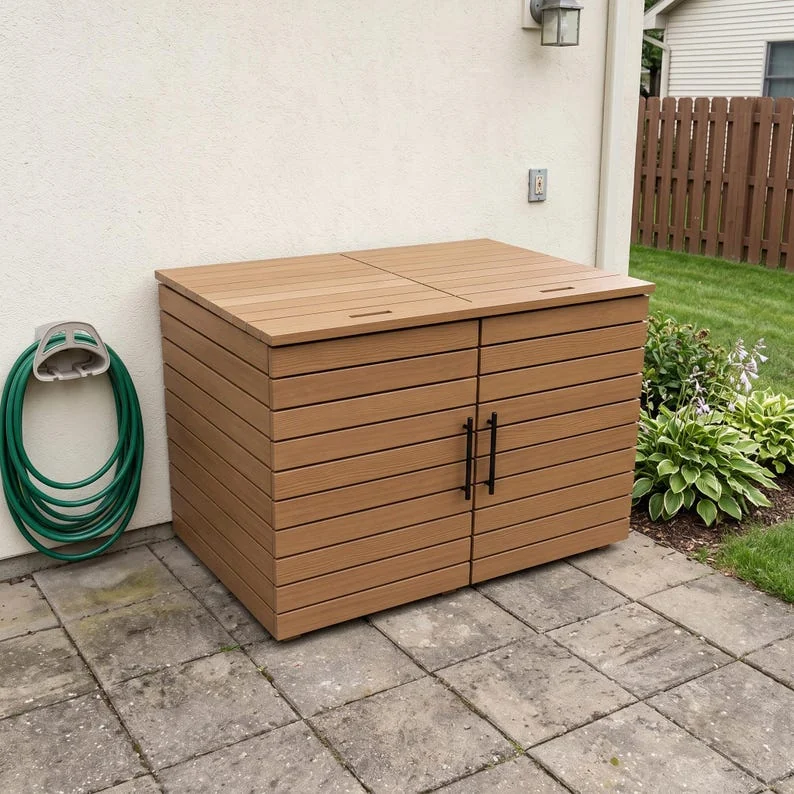
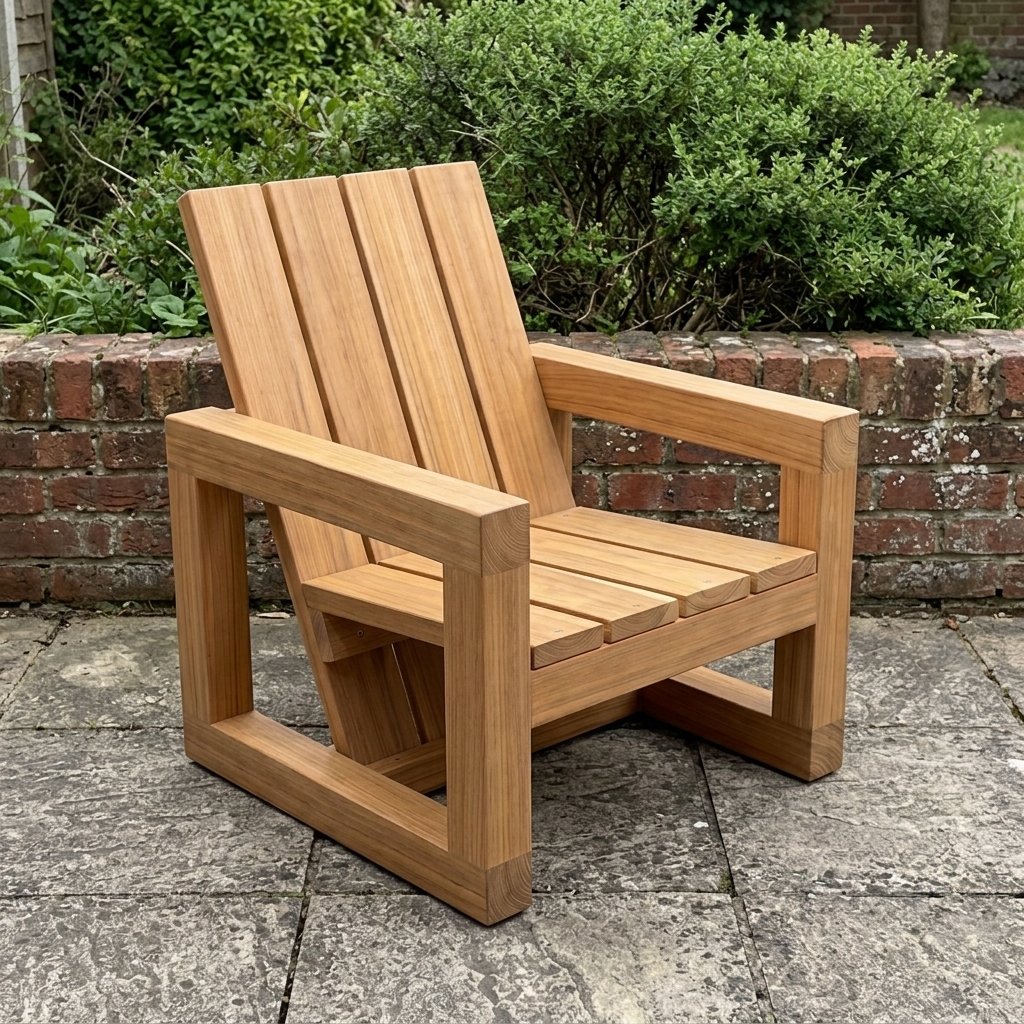
How the decision changes by project
Bin enclosures: usable space matters more than outside size
Measure your actual bins, including handles, wheels and lid movement. A ready-made enclosure is only a good deal if each bin fits through the finished door opening and can be removed along your route. DIY gives you more control over the layout, but changing dimensions may require more than lengthening a few boards.
Use the bin enclosure sizing guide to separate clear bay dimensions from the external footprint. Compare equivalent access methods too: front doors, opening top covers and linked bin lids create different hardware and clearance requirements.
Fences and gates: the installation can dominate the job
For a short, accessible run, the materials may be easy to price. Difficult digging, uneven ground, existing posts and restricted access can change the work substantially. An installed quote should identify the fence length, height, post specification, gate openings and responsibility for removing the old fence.
A gate adds alignment and moving hardware to the project. Read how to build a wooden gate that will not sag before treating it as just another fence panel. If an existing gate is the problem, the sagging gate diagnosis may help you establish whether repair is enough.
Outdoor furniture: compare comfort, material and maintenance
Mass-produced furniture can be difficult to beat on purchase price. Building becomes more attractive when you want a particular timber, matching pieces or a design you enjoy making. Consider comfort and proportions before committing to several identical seats.
Compare the timber and finish, not just the silhouette. Our cedar versus pressure-treated wood guide explains the material trade-offs, while the outdoor furniture finish guide helps you account for preparation and upkeep.
Sheds and log stores: include the base and storage requirement
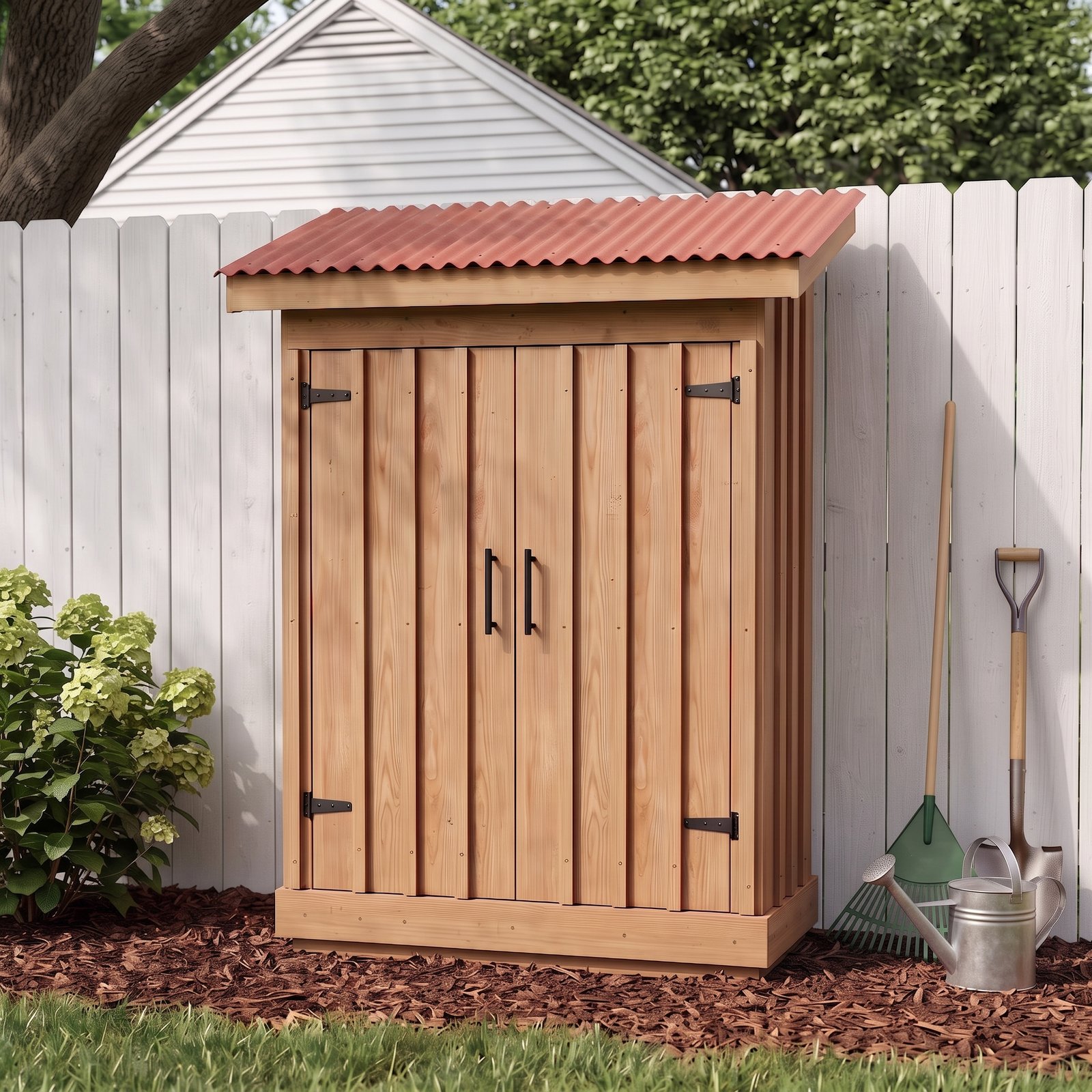
A shed kit price is not the whole installed cost. Establish the base, access, roof specification and required site work first. A small tool store and an enclosed workshop also have different needs; do not compare them on footprint alone.
For logs, work out your required usable firewood capacity before comparing products. For a shed, review foundation options before assuming an existing patch of ground is ready.
Allow for active work and elapsed time
Break the job into measuring, ordering, collection, cutting, assembly, fitting, finishing and cleanup. Give unfamiliar operations more room in your schedule. An experienced builder’s assembly time does not necessarily include the measuring and shopping that you still need to do.
Separate active hours from elapsed days. Delivery lead time, suitable weather and the coating manufacturer’s drying and curing instructions can delay use even when the physical build is straightforward. A weekend deadline is a poor reason to skip preparation or handle a finish before it is ready.
Check where the work will happen. Long boards need support; parts need somewhere dry to wait; coating requires suitable conditions. If the only work area is also the route to your bins or back door, plan how that route stays usable.
Before you buy materials or place an order
- Measure the site and the use case. Include openings, moving parts, delivery access and maintenance access.
- Write the finished specification. Record material, hardware, coating and base requirements.
- Price complete alternatives. Include delivery, assembly, preparation and tools.
- Identify the difficult stage. Decide whether you can do it or need a separate quote.
- Check the plan or product details. Confirm dimensions, what is supplied and what you must provide.
- Schedule the whole job. Include ordering, finishing and cleanup.
A mixed approach can be useful: prepare and assemble the timberwork yourself while hiring appropriate help for a difficult base or installation. Agree the handover dimensions and responsibility before either stage starts, so one person is not building around another person’s assumptions.
Use one real design to compare your options
For a bin-storage project, measure your bins and access route first. Open the double trash can enclosure project to review the design and available plan information, then compare your complete materials budget with an equivalent ready-made enclosure.
Check your measurements with the bin enclosure sizing guide, or browse other DIY projects if your next build is a chair, gate or store.
Common questions
Are DIY plans worth paying for?
They can be worthwhile when the design suits your project and the included information helps you plan the work. Check the listing for dimensions, drawings, material information and assembly guidance. Plans do not remove the need to measure your site or verify suitability before making changes.
Should I include tools I already own in the budget?
For cash needed today, include new purchases, hire and consumables. Existing tools may need a new blade or other supplies. For a broader business-style comparison, you can also account for tool wear, but keep that separate from immediate spending.
Is a kit the same as buying ready-made?
No. A kit can reduce cutting and sourcing work while leaving substantial assembly, finishing and site preparation to you. Compare the delivered contents and remaining work rather than the label.
When should I repair instead?
When the underlying structure remains suitable and the fault can be addressed properly, repair may avoid replacing the whole project. Diagnose loose hardware, decay, movement or failed finishes first. Cosmetic repairs do not solve an unsound structure.